





A medical innovation designed for the most extreme environments on Earth—and space—brings patient care into the future.
Interventional radiology is already known for its patient benefits, including minimally invasive procedures. But what happens when you take those techniques beyond the walls of a hospital? What could they do in the most extreme environments imaginable—from remote wilderness settings to a future Mars mission?
That question helped inspire the development of the Mars Interventional Tool Box (MITBO). A simplified, ultrasound-guided drainage technique, MITBO works with minimal equipment and no advanced imaging systems.
Meet Professor Julien Frandon of Centre Hospitalier Régional Universitaire de Nîmes in France. The expert behind this research, he explains what his findings could mean for patients on Earth, Mars, and beyond.
From IKEA Instructions to Space Medicine
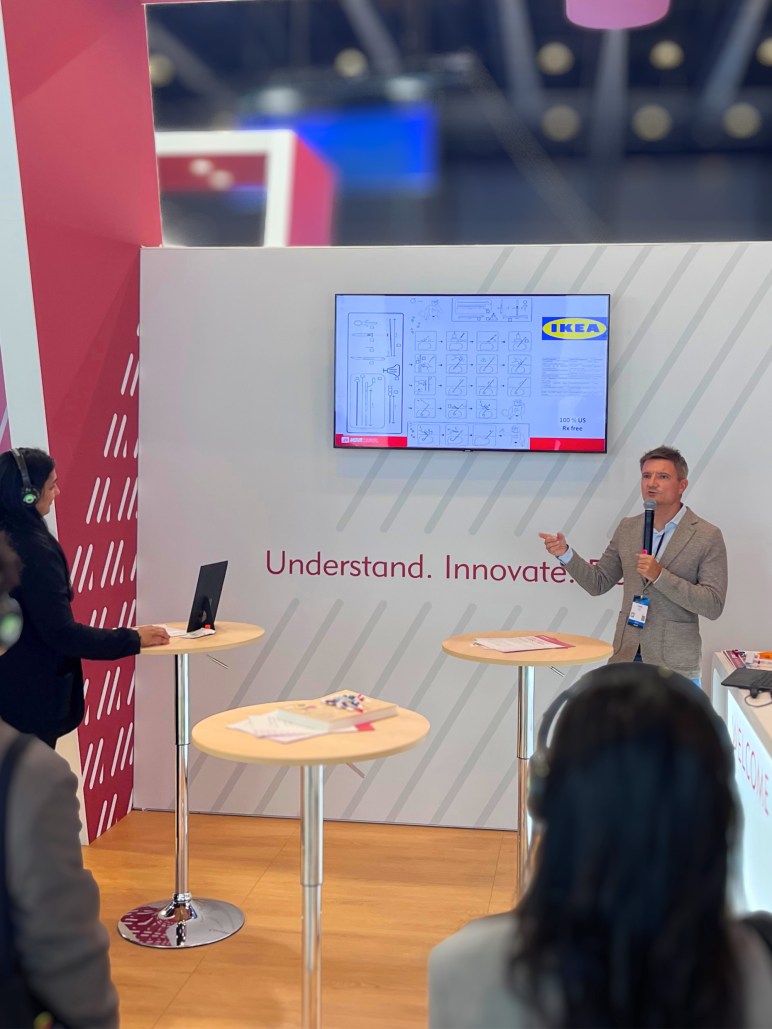
The inspiration behind MITBO did not begin in a laboratory or aboard a spacecraft. According to Professor Frandon, it started at home while assembling furniture for his first child.
MITBO was originally developed in response to a challenge from French radiology organisations. They wanted a minimal, standardised drainage kit that could be used with limited equipment.
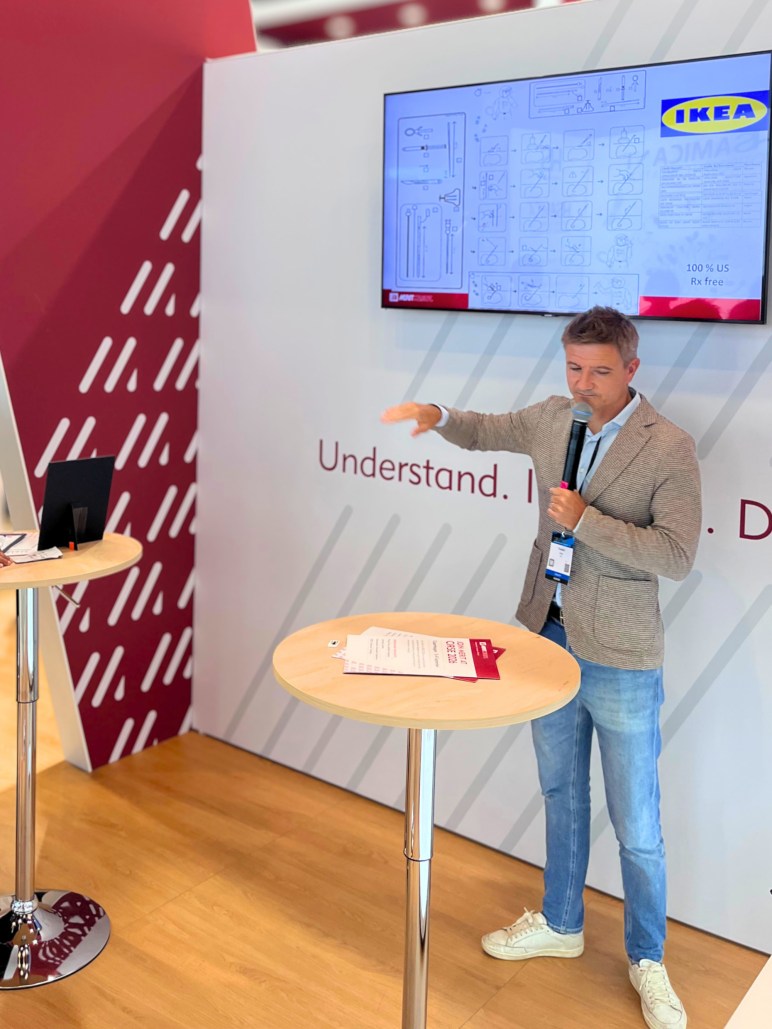
As he skimmed the illustrated furniture-assembly instructions, Professor Frandon wondered if medical procedures could be simplified in this way. The experience reinforced an idea that would become central to the project: effective healthcare tools should rely not only on minimal equipment but also on universal instructions that can be understood regardless of language or location.
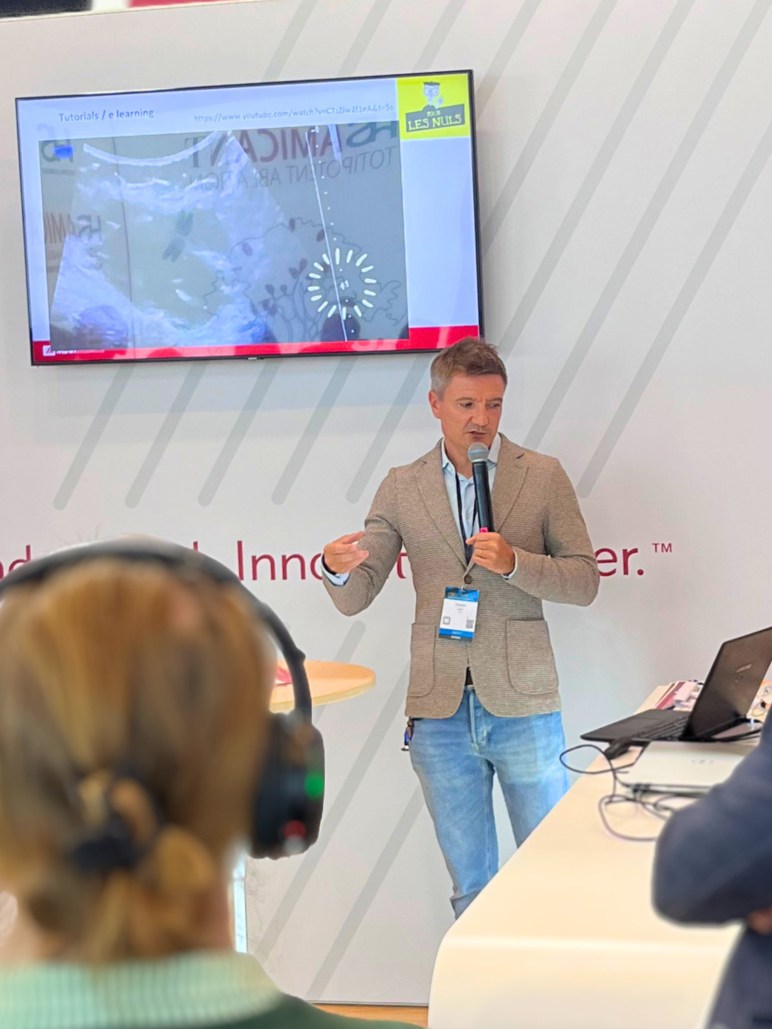
That philosophy led to the creation of MITBO, a streamlined ultrasound-guided drainage technique paired with an illustrated step-by-step guide. The visual instructions are designed to be universally understandable. In fact, it intentionally avoids using letters or numbers in the pictograms. Instead, it incorporates small cat footprints to guide users through each step of the process. As Professor Frandon joked during the interview, the goal was to create instructions so intuitive that “even a Martian” could follow them.
It Isn’t Science Fiction
MITBO was conceived with future space missions in mind, but its potential applications on Earth are just as significant.
One of the driving motivations behind the MITBO is to improve access to care in remote and underserved places, where advanced imaging systems and specialised medical expertise may not be readily available. Professor Frandon drew parallels between astronauts and people living or working in isolated locations across the globe. He pointed to the French-Italian remote Antarctic research station, Concordia. Here, severe weather can delay emergency medical evacuations for as long as one to three weeks. Having a compact and standardised on-site drainage system could provide critical treatment when immediate hospital transfer is impossible.
Transforming Innovation Into Solutions
Professor Frandon is working with Merit Medical to transform the MITBO research project into a deployable medical solution. According to him, the goal is to create a dedicated MITBO package with the minimal equipment required to perform a procedure. Remote facilities and expedition teams can then maintain a standardized drainage kit ready for use. This can provide lifesaving access when advanced medical care is delayed.
That collaboration reflects a key theme of the project: simplifying a complex procedure without sacrificing safety. Merit is supporting efforts to move the MITBO technique beyond the academic setting and into real-world environments. By developing a compact and standardised kit, patient care is made possible when portability, ease of use, and reliability are essential.
The partnership is also a fitting extension of Merit’s role in the original study. The MITBO technique utilised several Merit products, including the One-Step™ Centesis Catheter and the ReSolve™ Locking Drainage Catheter. The research team evaluated and selected both as part of the streamlined, standardised workflow.
The Road—or Flight Path—Forward
Despite its versatility, MITBO is not intended for every patient. Professor Frandon emphasised that the technique works when the target collection is clearly visualised with ultrasound. Cases that require CT guidance, because the collection cannot be adequately seen, remain outside the scope of the technique.
For appropriate patients, the benefits can be substantial. Clinicians can often perform and complete procedures at bedside in approximately 15 minutes. This makes treatment faster and more accessible than approaches requiring transport to specialised imaging facilities.
When asked if he would like to travel to Mars one day to perform the procedure, Professor Frandon laughed and declined. Mars may capture the public imagination, but the realities of isolation, limited resources, and uncomfortable living conditions hold little appeal for him. The technology, however, remains a fascinating vehicle for innovation.
Ultimately, he believes the true value of MITBO lies not in making medicine more complex but in making it simpler.
“In general, when you innovate, you do something more scientific, more difficult,” he said. “We try to help people perform drainage in an easy way.”
That focus on simplicity may be MITBO’s most important innovation. The project demonstrates how rethinking a procedure from the ground up can make critical healthcare accessible to more people. Whether it is eventually used aboard a spacecraft, in Antarctic research stations, or in rural communities, innovation, like MITBO, helps advance patient care.
Merit’s solutions for drainage and biopsy procedures aim to help you improve your patients’ quality of life. Visit our Procedural Solutions page to find reliable, high-quality products with the support of our worldwide team.