PAE OVERVIEW

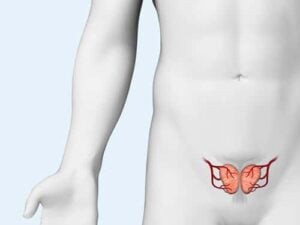
Prostatic artery embolization (PAE) is a promising non-surgical treatment for lower urinary tract symptoms (LUTS) from benign prostatic hyperplasia (BPH). Clinically shown to reduce BPH symptoms and improve quality of life, PAE has become a viable alternative to surgical procedures, with minimal risk of urinary incontinence or sexual dysfunction such as impotence and retrograde ejaculation. PAE also offers a shorter recovery time compared to surgical options and is performed via the femoral or radial artery.

PAE PROCEDURES

A non-surgical alternative with compelling clinical benefits.

Using femoral or radial artery access, interventional radiologists navigate microcatheters to the prostatic arteries to deliver embolic agents that reduce blood flow and shrink the enlarged prostate. Merit Medical supports this procedure with a full suite of precision-engineered tools—including microcatheters, guidewires, embolic particles, and access kits—designed to streamline workflow, enhance navigation through complex pelvic vasculature, and ensure optimal embolization. Merit’s PAE solutions are tailored for outpatient or same-day settings that empower providers to deliver effective symptom relief while minimizing patient recovery time and preserving sexual and urinary function.


CheckFemoral Access
CheckRadial Access
CheckPelvic Vasculature
CheckEmbolization

PAE PRODUCTS

Set up

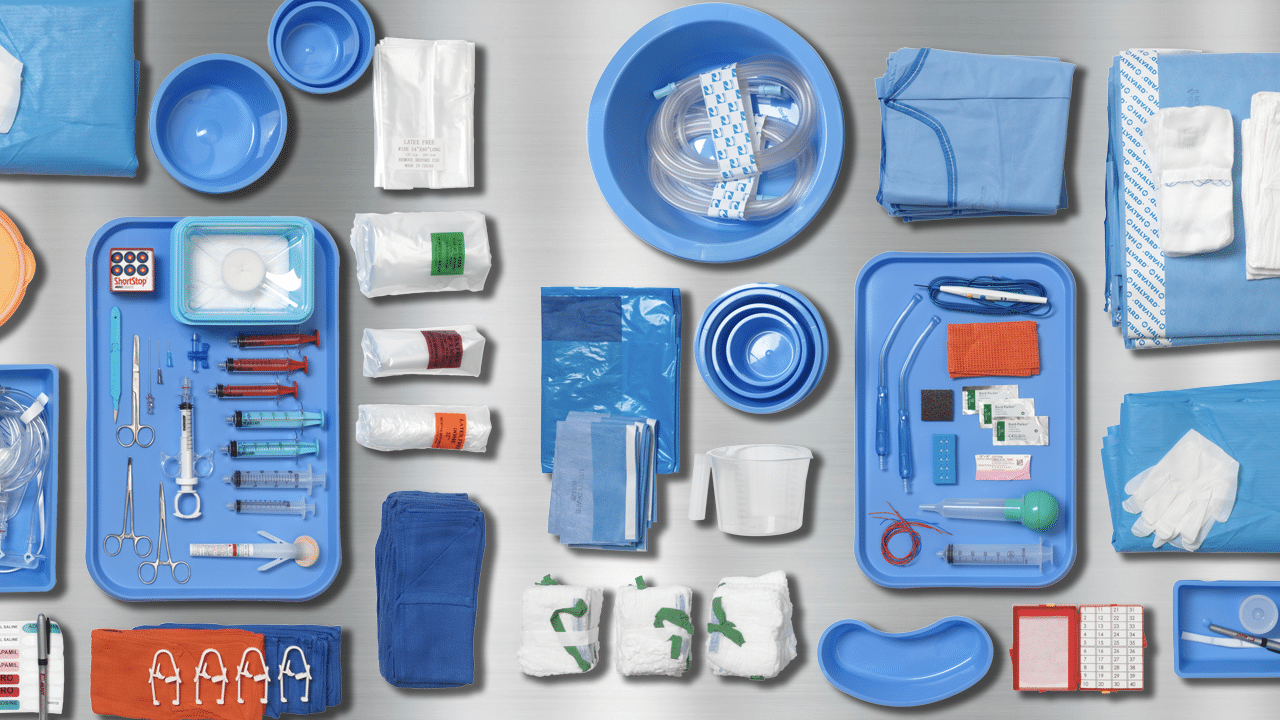
Custom Procedure Kits Built by Merit Medical

Kits & Packs

Rad Trac

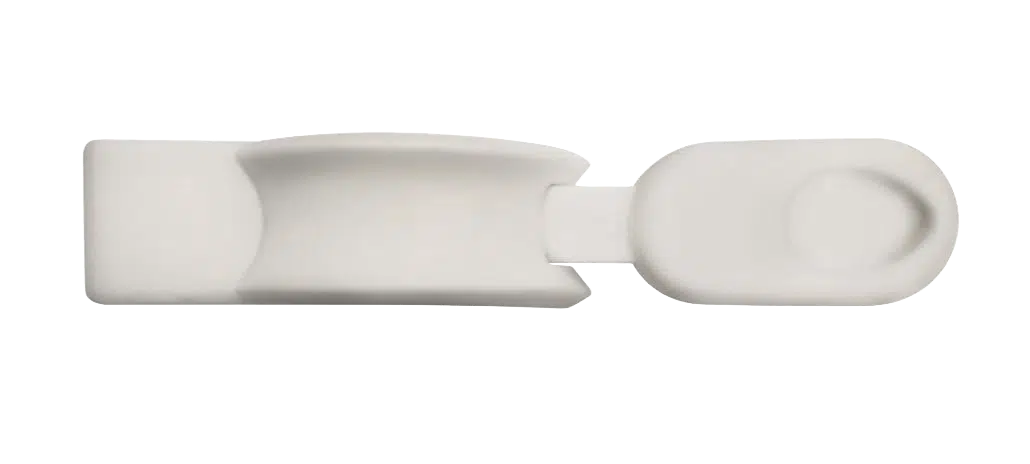
RadBoard® 2 Radial Arm Board

Rad Rest

Rad Rest®

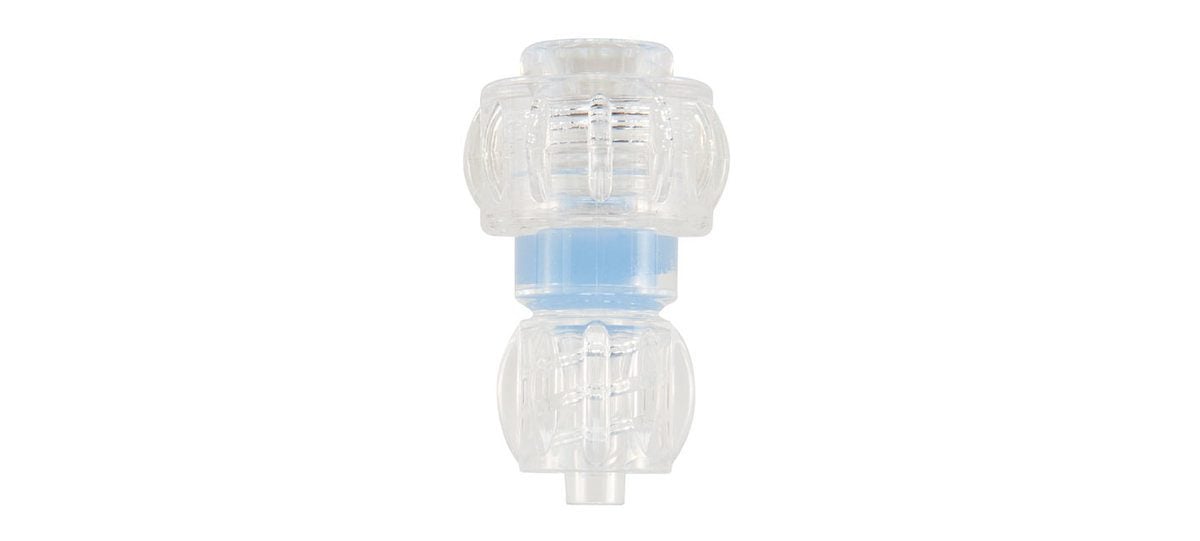
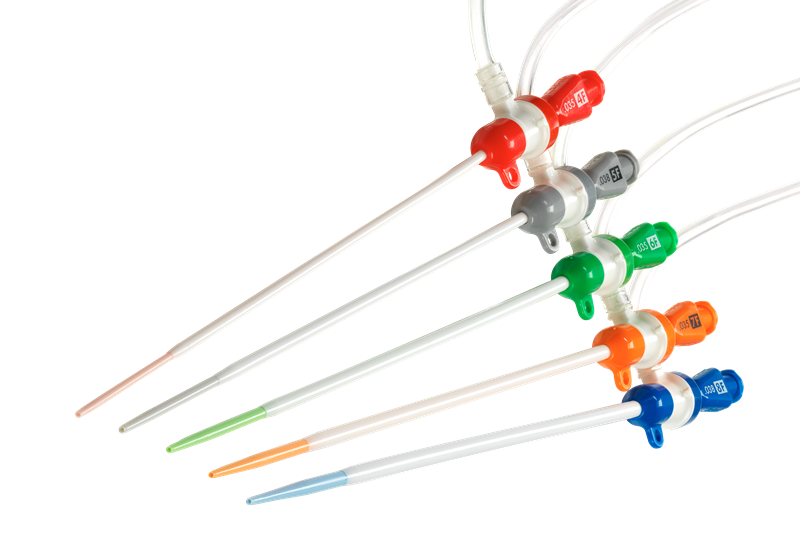
FLO 30 Hemostasis Valve

FLO30™ Hemostasis Valve

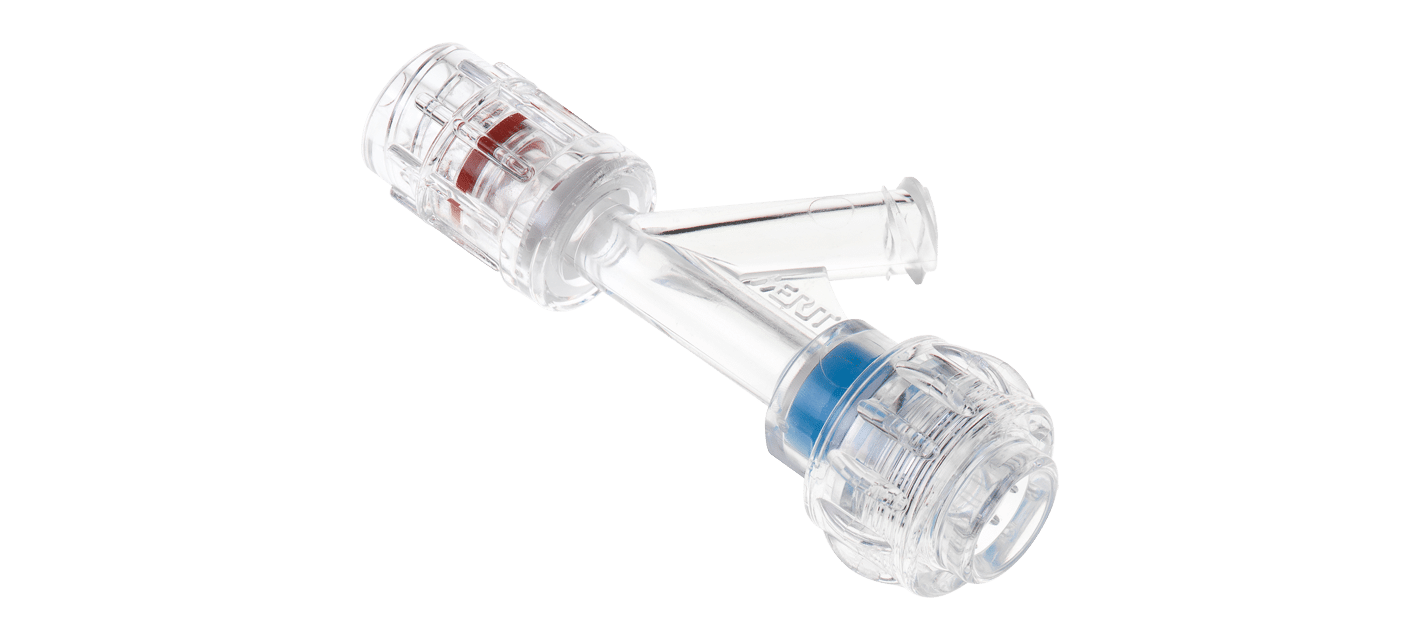
FLO50

FLO50™ Hemostasis Valve

Access – Radial

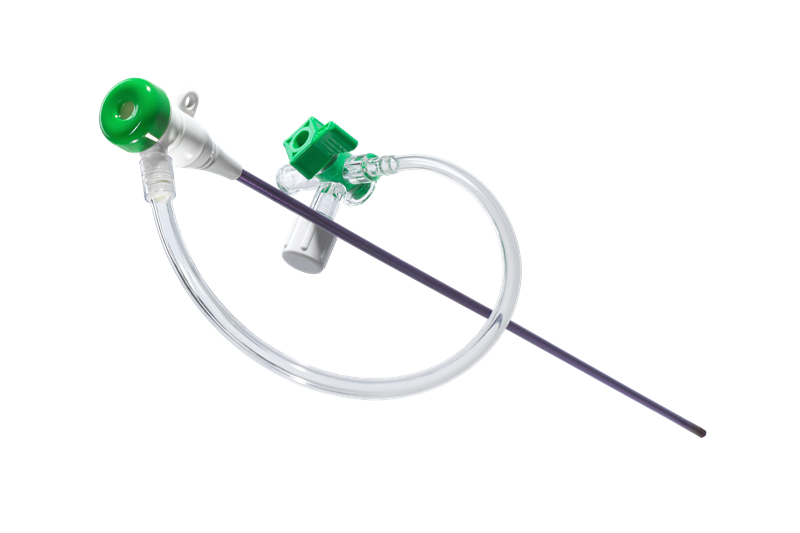
Prelude Wave™ Hydrophilic Sheath

Prelude Ideal™ Hydrophilic Sheath Introducers

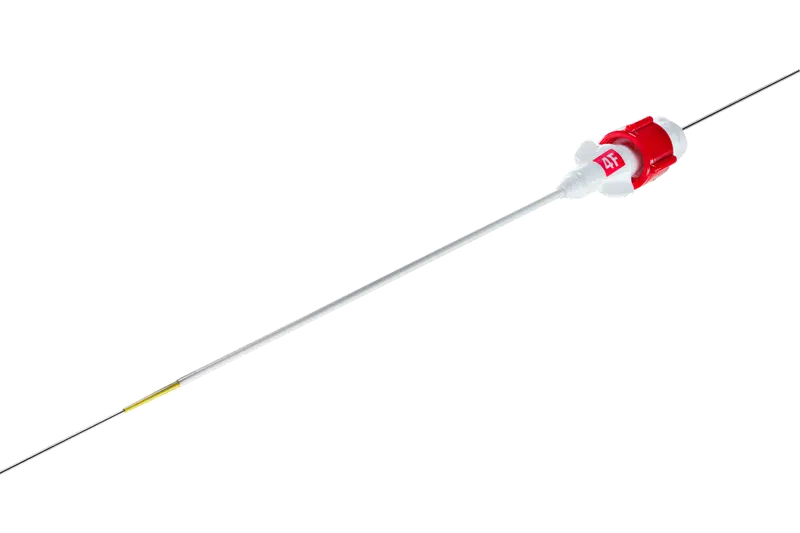
Angled photo of the Merit MAK Gold Mini Access Kit 4F

Merit MAK™ Gold Mini Access Kits

Access – Femoral

Angled photo of the Merit MAK Gold Mini Access Kit 4F

Merit MAK™ Gold Mini Access Kits

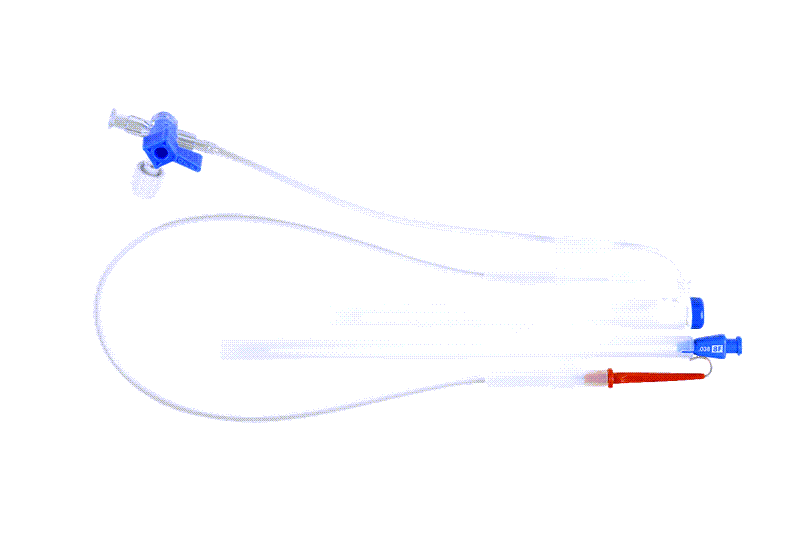
Prelude PRO™ Sheath Introducers

Prelude® Sheath Introducers

Diagnostics – Radial

InQwire® Diagnostic Guide Wires

SplashWire Hydrophilic Steerable Guide Wire

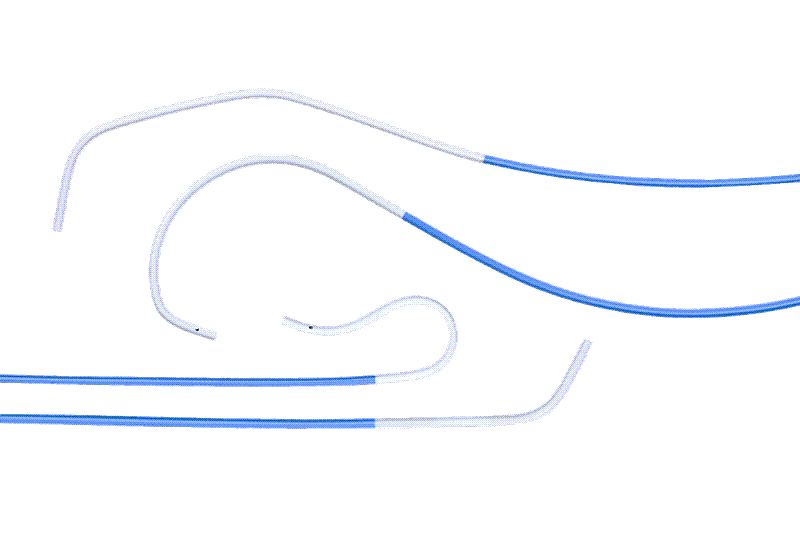
Performa® Angiographic Catheters

Impress® Diagnostic Peripheral Catheters

Performa® Transradial Angiographic Catheter

Diagnostics – Femoral

InQwire® Diagnostic Guide Wires

SplashWire Hydrophilic Steerable Guide Wire

Impress® Diagnostic Peripheral Catheters

Performa® Diagnostic Peripheral Catheters

Delivery

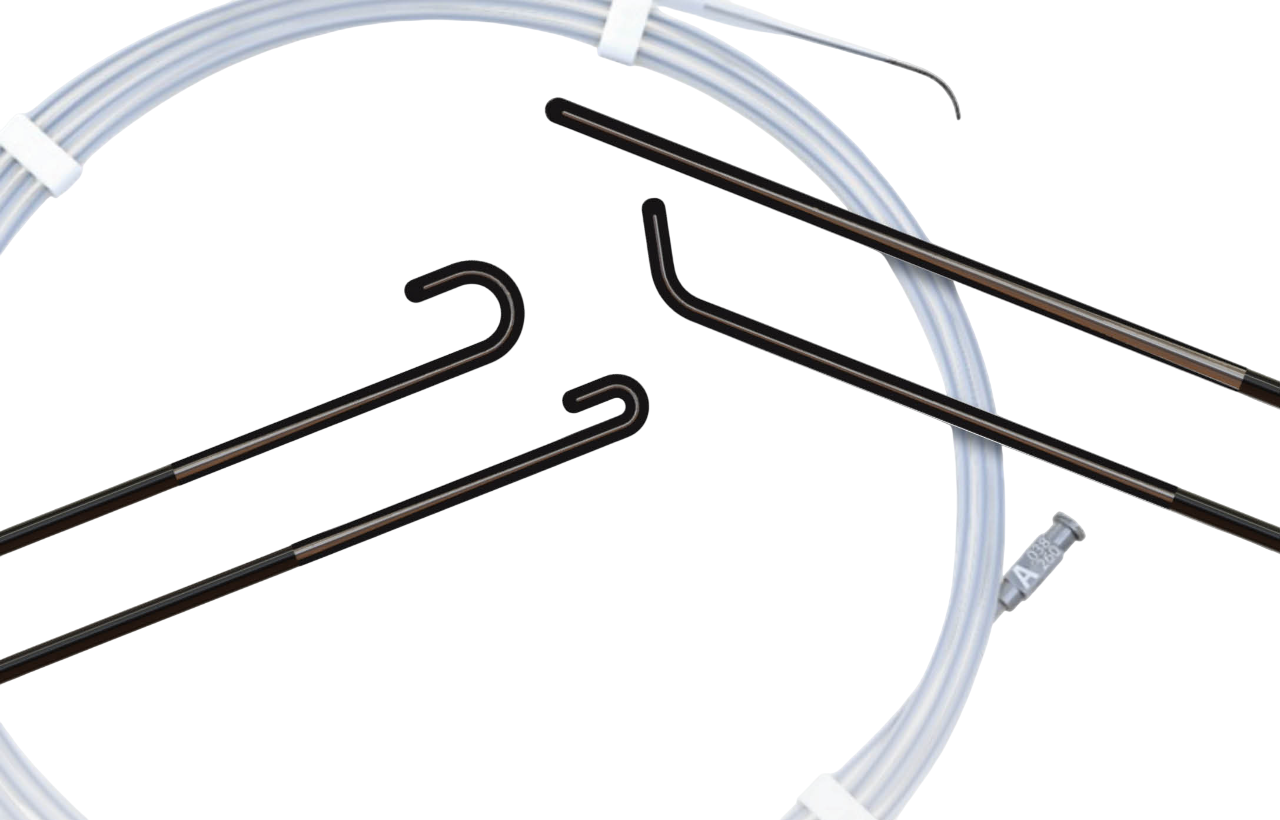
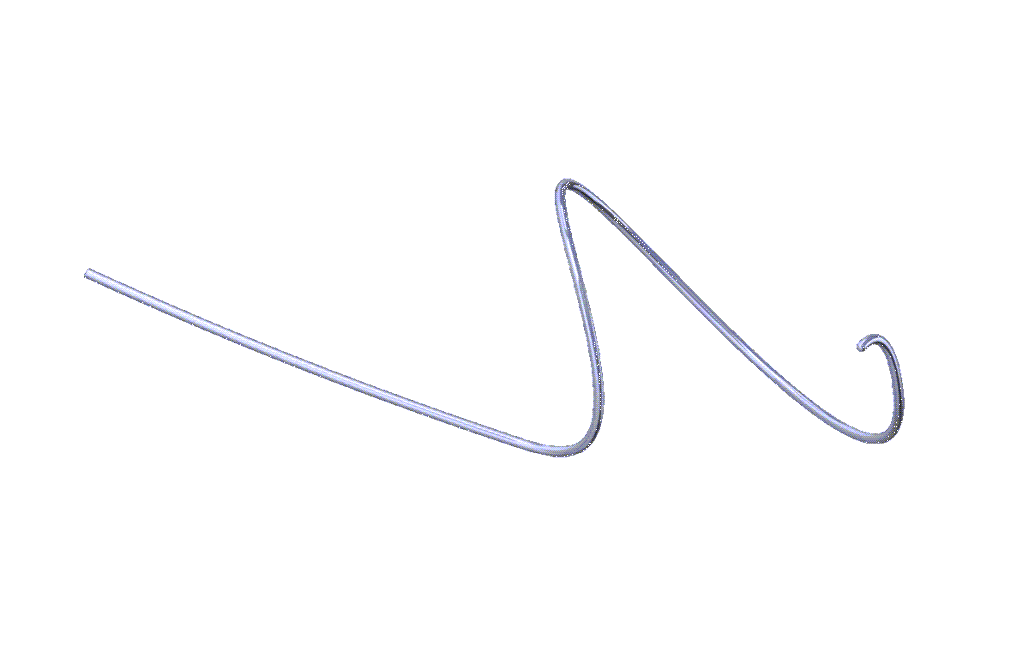
TrueForm® Reshapable Guide wires

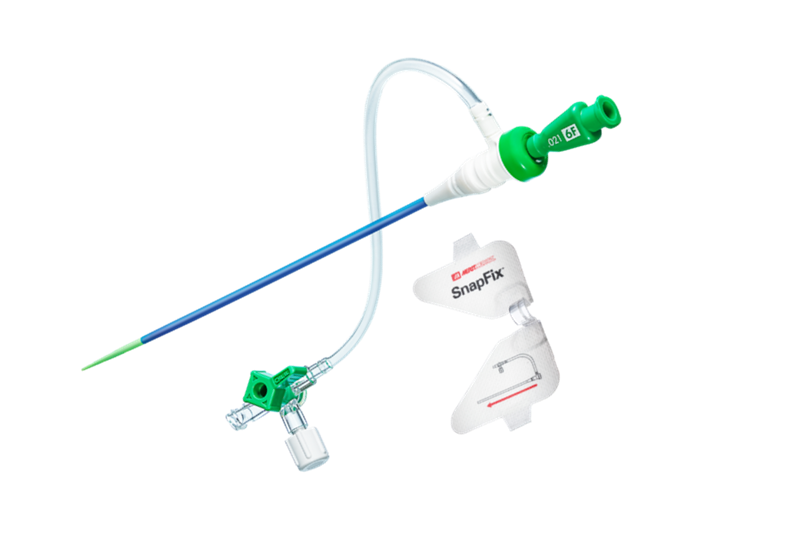
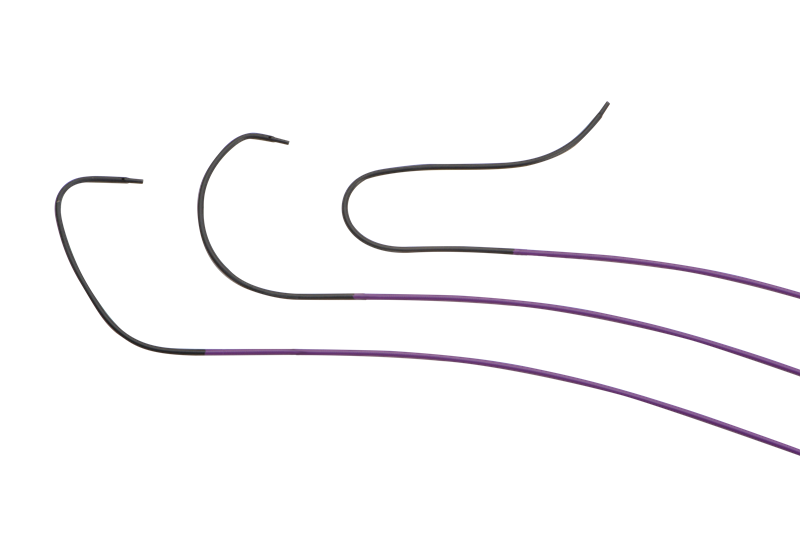
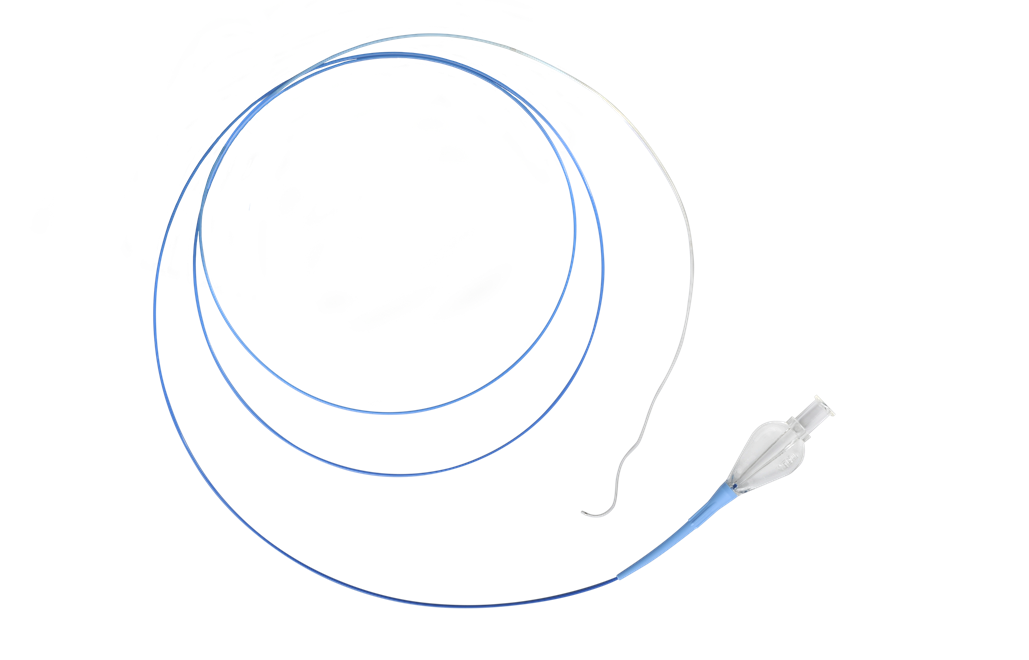
Merit Maestro® Microcatheters

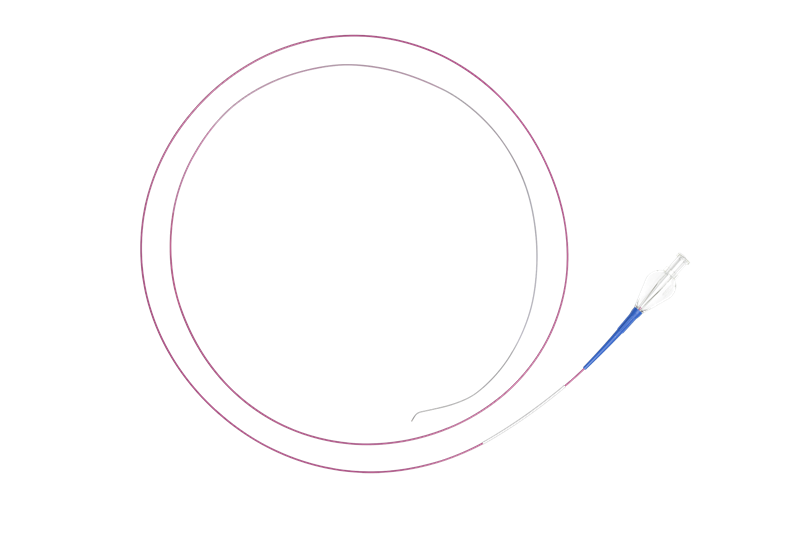
Merit Pursue™ Microcatheters

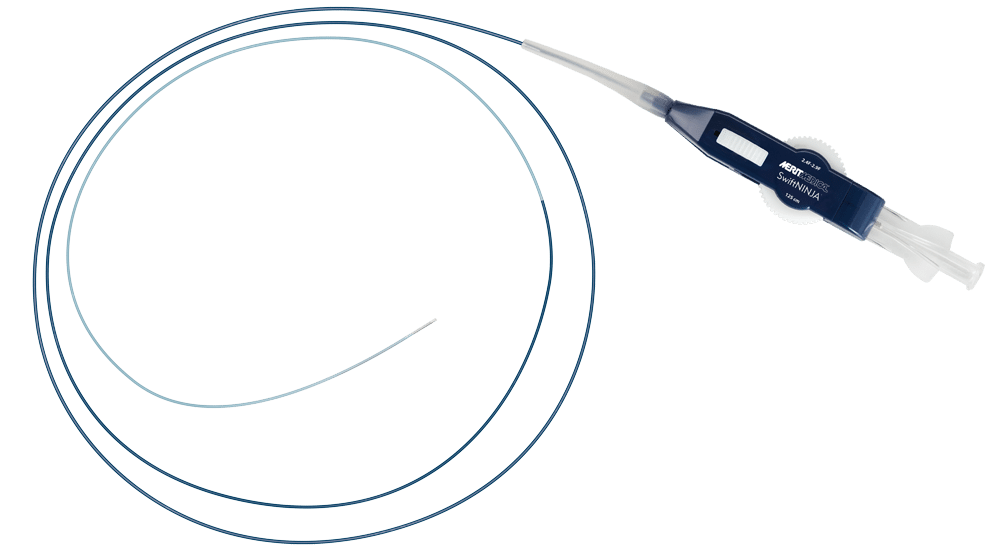
SwiftNINJAfull_coiled-sm

SwiftNINJA® Steerable Microcatheter

Embolotherapy

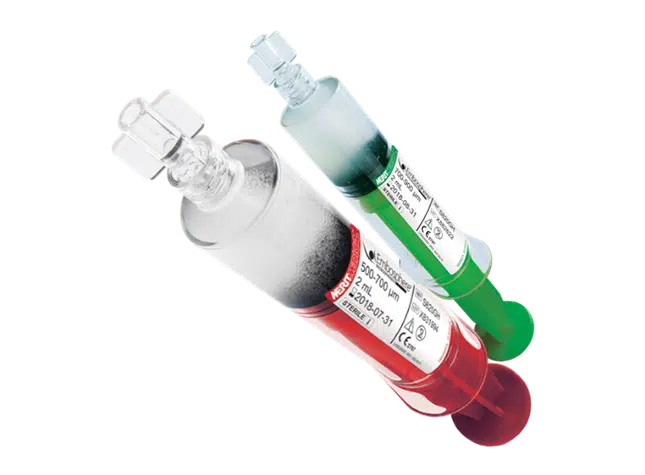
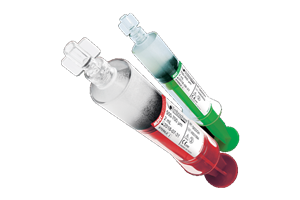
Two Embosphere Microsphere syringes on an angle

Embosphere® Microspheres

Hemostasis – Radial

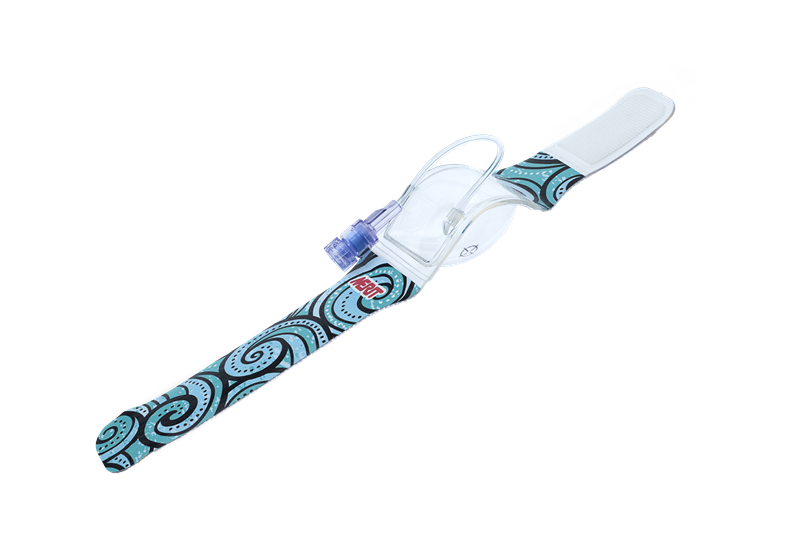
PreludeSYNC EVO™ Radial Compression Device

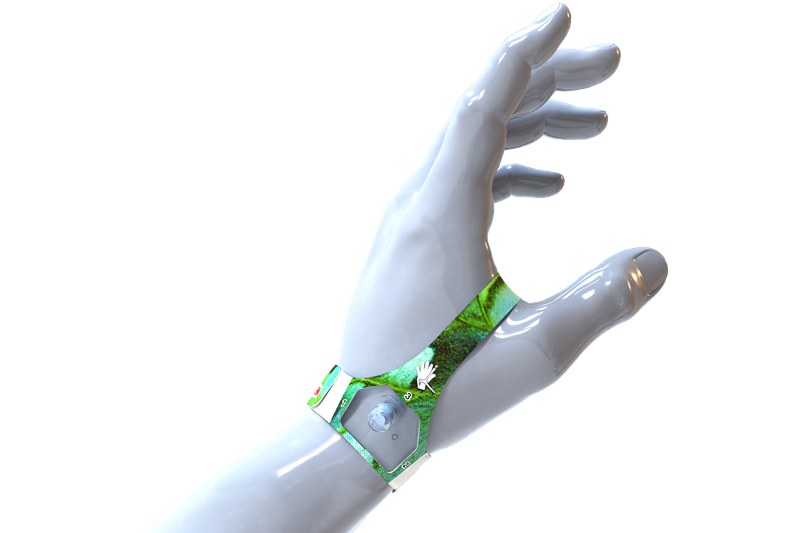
PreludeSYNC DISTAL™

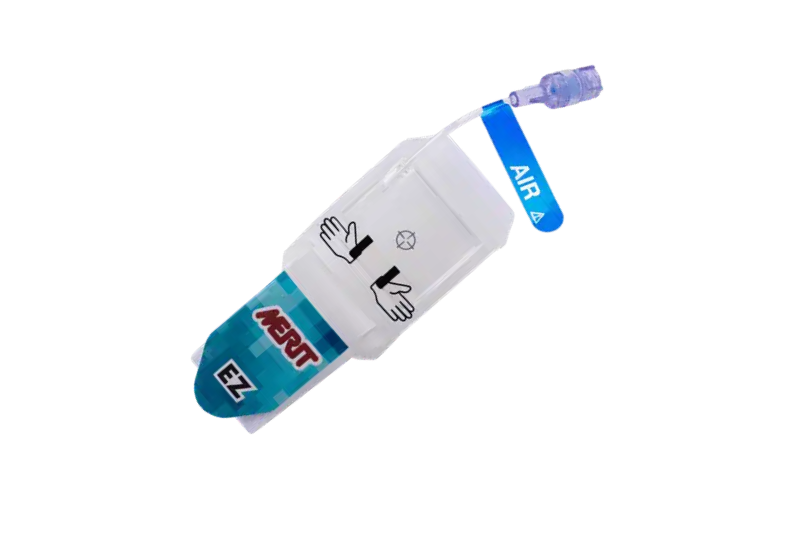
PreludeSYNC EZ™ Radial Compression Device

StatSeal® Topical Hemostatic Sealant

Hemostasis – Femoral

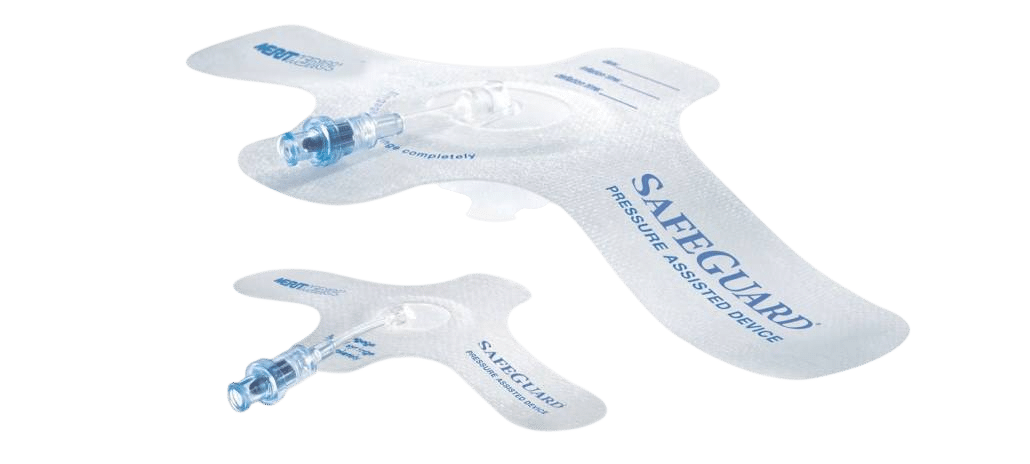
SafeGuard® Pressure Assisted Device

StatSeal® Topical Hemostatic Sealant

EDUCATION & RESOURCES

Physician Education & Resources

Merit offers an extensive Physician Center to support you in your PAE procedures. Downloadable resources include:
  • Data & Studies
  • Patient Education
  • Referring Physician Materials
  • Reimbursement Support
  • Clinical Resources
  • CMS Look-up Tool

Access the Physician Center

ThinkPAE Education Course

Learn the minimally invasive technique of Prostatic Artery Embolization (PAE). The ThinkPAE™ education course features numerous cases, didactic presentations including anatomy and patient identification, and hands-on training with simulators utilizing actual PAE cases.
Learn More


Interventional Techniques for Prostatic Artery Embolization

Patient Resources

Ask4PAE aims to educate patients and their families about PAE as a treatment option for BPH. The program includes Ask4PAE.com, as well as patient brochures and other awareness tactics.

Ask 4 PAE - Prostatic Artery Embolization

For more information please refer to Instructions for Use. Consult product labels and inserts for any indications, contraindications, potential complications, warnings, precautions and directions for use.

References
  1. McWilliams, J. P., Kuo, M. D., Rose, S.C., Bagla, S., Caplin, D. M., Cohen, E. I., Faintuch, S., Spies, J. B., Saad, W. E., Nikolic, B. (2014). Society of Interventional Radiology position statement: prostate artery embolization for treatment of benign disease of the prostate. Journal of Vascular and Interventional Radiology, 25: 1349-1351. http://dx.doi.org/10.1016/j.jvir.2014.05.005 http://www.scvir.org/clinical/cpg/SIR_Pos_Statmt_PAE_Benign_dis_Prostate.pdf
  2. Patel, N. D., & Parsons, J. K. (2014). Epidemiology and etiology of benign prostatic hyperplasia and bladder outlet obstruction. Indian Journal of Urology, 30(2): 170-176. doi: 10.4103/0970-1591.126900
  3. Krista, A. R., Arnold, K. B., Schenk, J. M., Neuhouser, M. L., Weiss, N., Goodman, P., Antvelink, C. M., Penson, D. F., & Thompson, I. M. (2007). Race/ethnicity, obesity, health related behaviors and the risk of symptomatic benign prostatic hyperplasia: results from the prostate cancer prevention trial. The Journal of Urology, 177(4): 1395-1400