Categories
Procedure

 USA
USA




Documents & resources

Education

C-code lookup
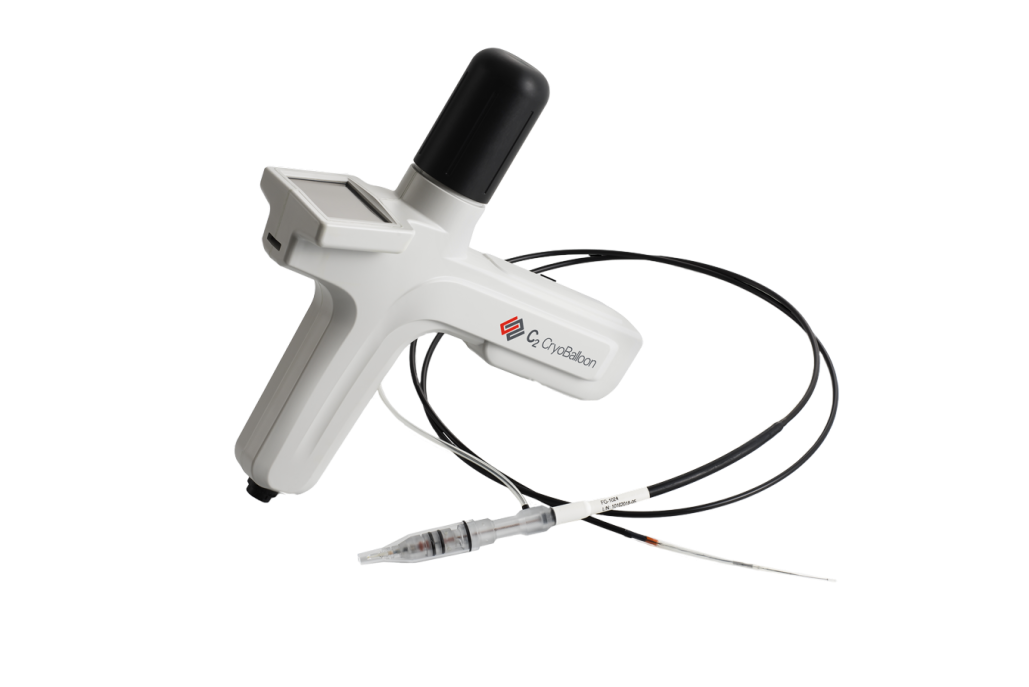

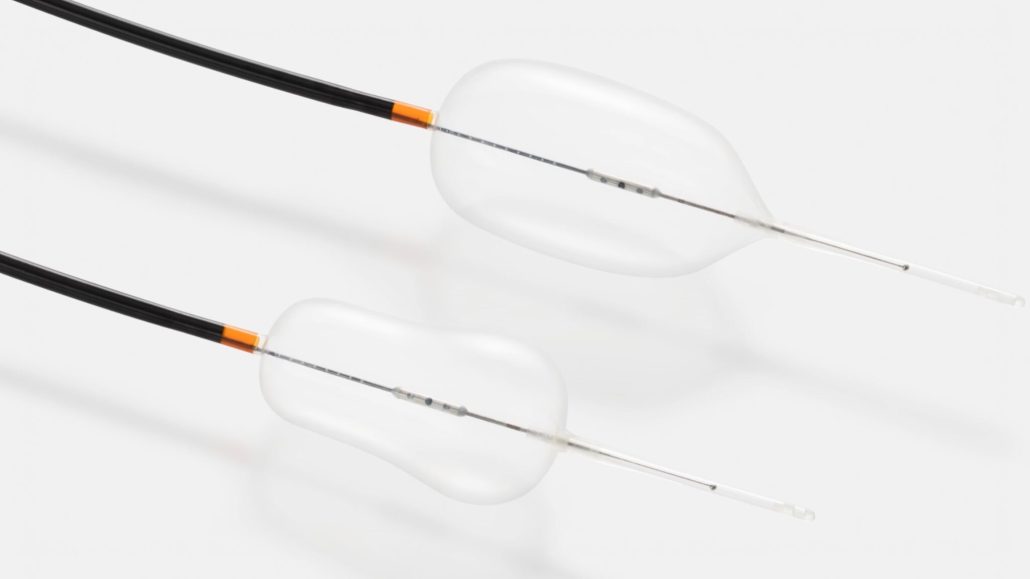
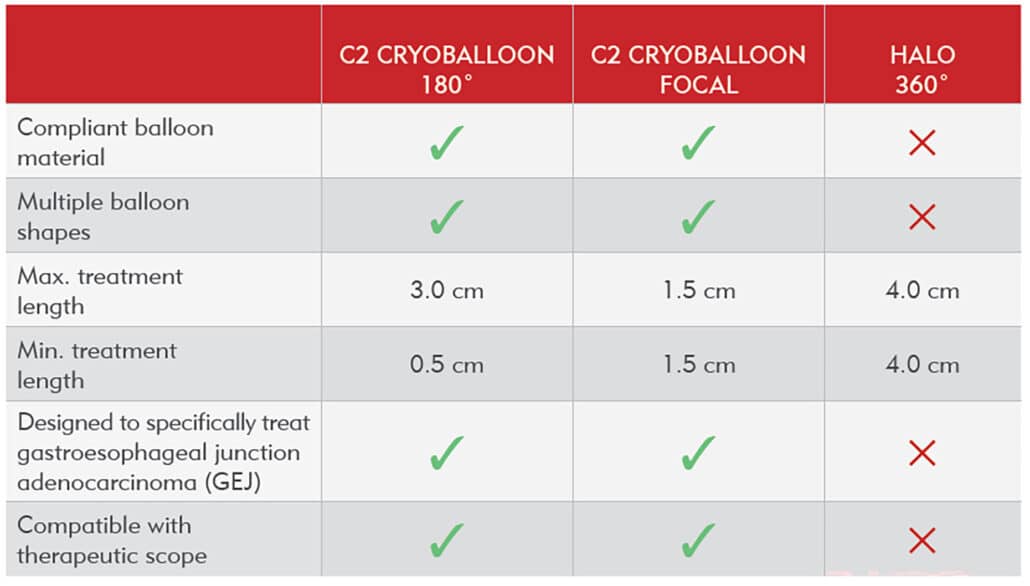
The C2 CryoBalloon® Ablation System delivers precise, controlled cryoablation for endoscopic treatment of Barrett’s Esophagus with dysplasia and Gastric Antral Vascular Ectasia (GAVE). Standard and Pear-shaped catheter designs that reach tubular structures, gastroesophageal junction (GEJ), and lesions big and small. Physicians can selectively target and ablate diseased tissue while sparing healthy tissue using nitrous oxide (N2O) to cryogenically freeze and cause necrosis to the target tissue for treatment.
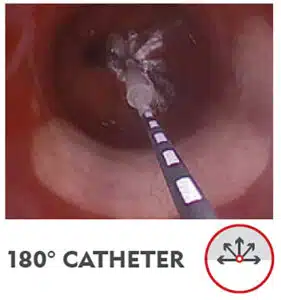
Effectively treats long-segment Barrett‘s esophagus while maintaining the flexibility, accuracy, and visibility of our focal catheter.
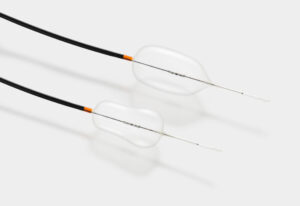
For precise, targeted, short segment Barrett’s esophagus, the C2 CryoBalloon treats tissue at a cellular level.
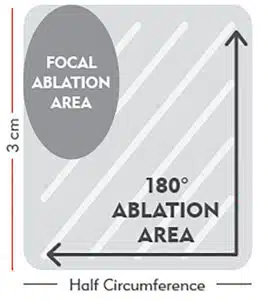
Cryoablation causes minimal structural damage to the treated tissue, ultimately preserving the tissues collagen matrix structure. Cryoablation has a low adverse event rate, including strictures and bleeding. Patients also report significantly less post-procedural pain and need for narcotic medication compared with RFA. (Canto, M. I., Shin, E. J., Khashab, M. A., Montgomery, E. A., Wolfsen, H. C., Wallace, M. B., Greenwald, B. D., Dumot, J. A., Abrams, J. A., Lightdale, C. J., Wolfsen, H. C., & Shaheen, N. J. (2018). Multifocal nitrous oxide cryoballoon ablation with or without endoscopic mucosal resection for treatment of neoplastic Barrett’s esophagus (with video). Gastrointestinal Endoscopy, 88(3), 438–446.e2.)

Current IFU
C2 CryoBalloon® Ablation System – IFU (English) 
Current Brochures
C2 CryoBalloon® Ablation System – Brochure (English)
C2 CryoBalloon® Ablation System – Full System Brochure (English)
C2 CryoBalloon® Ablation System – Accessories Brochure (English)
C2 CryoBalloon® Ablation System – Quick Reference Guide (English)
Current Patient Guide
C2 CryoBalloon® Ablation System – Patient Guide (English)
Additional Documents
C2 CryoBalloon® Ablation System – Reimbursement Guide (English)
| CATALOG NUMBER | DESCRIPTION |
| FG-1055 | Standard 180° catheter |
| FG-1056 | Pear 180° catheter |
REFERENCES
1. Compared to cryoablation using focal catheter. Data on file.
2. van Munster et al. 2018. “Focal Cryoballoon versus Radiofrequency Ablation of Dysplastic Barrett’s Esophagus: Impact on Treatment Response and Postprocedural Pain.” Gastrointest Endosc 88, no. 5 (Nov): 795–803.e2. doi: 10.1016/j.gie.2018.06.015.
408686001_001 ID 041626