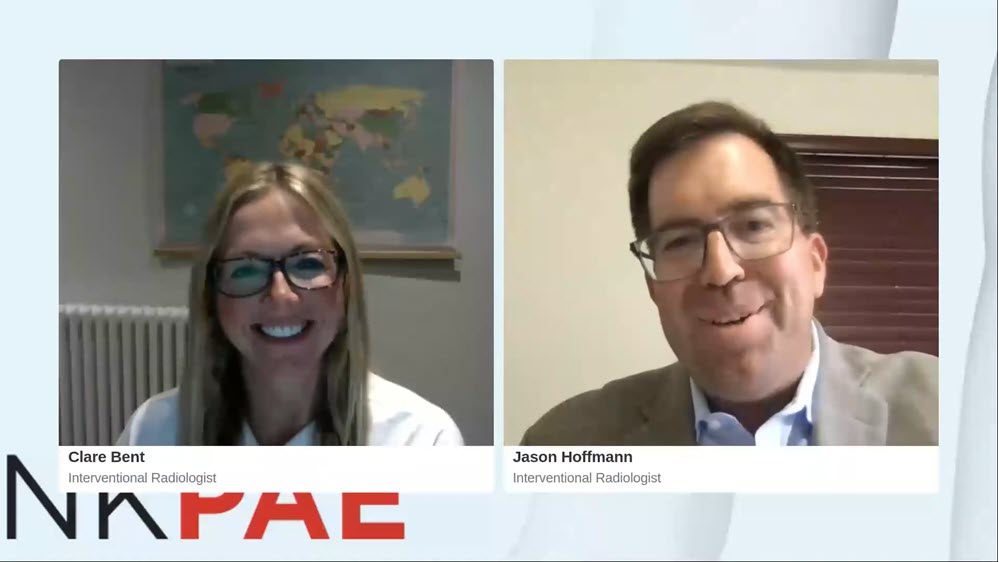
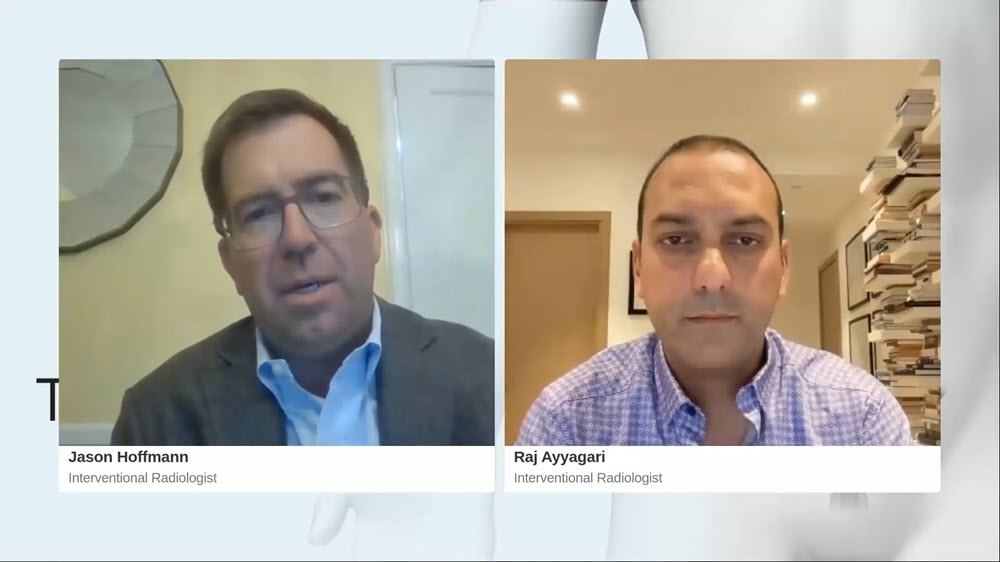
Designed for Interventional Radiologists who have the clinical capacity to perform prostatic artery embolization (PAE), and who want to gain thorough knowledge about all aspects of the procedure, from patient work-up to post-PAE care. It is helpful for attending Interventional Radiologists to have a good working relationship with their facility’s Urology Department, in order to collaborate on patient selection and treatment.
On-Demand Webinars
Prostatic artery embolization (PAE) is a promising non-surgical treatment for lower urinary tract symptoms (LUTS) from benign prostatic hyperplasia (BPH). Clinically shown to reduce BPH symptoms and improve quality of life, PAE has become a viable alternative to surgical procedures, with minimal risk of urinary incontinence or sexual dysfunction such as impotence and retrograde ejaculation. Learn more about this procedure via these two ThinkEducation PAE webinars.
TITLE: PAE – Part 1
DESCRIPTION: This first session will cover optimal workup and patient selection and then dive into a procedural review including choosing the right tools and embolics.
DESCRIPTION: The second session will cover what to expect post procedure, including management of the catheter, post-embolization syndrome, and follow up.
Discover support beyond products. Merit offers a robust range of physician and patient resources for your PAE practice.
Physician Center
Access our physician center for downloadable resources, including: data and studies, patient education, referring physician materials, reimbursement support, and clinical resources.
Explore the Ask4PAE patient education program for benign prostatic hyperplasia, sponsored by Merit Medical. Explore the Ask4PAE.com patient educational website, patient awareness efforts, and patient education brochures.
Merit Medical supports this procedure with a full suite of precision-engineered tools — including microcatheters, guidewires, embolic particles, and access kits — designed to streamline workflow, enhance navigation through complex pelvic vasculature, and ensure optimal embolization.

 USA
USA